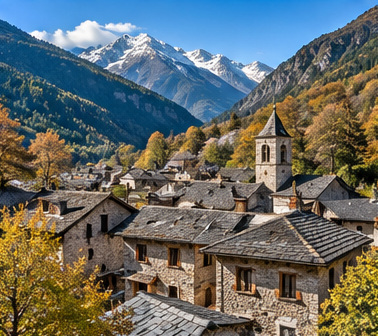
Choose a town, not just a viewpoint
A mountain trip can be more than a collection of panoramic stops. Choosing a town as your base gives you a place to return to, learn local routines, and explore nearby trails at a comfortable pace. Look at transport access, grocery options, trailheads, and seasonal services before deciding where to stay. Mountain communities vary widely. Some are busy year-round; others depend on a short summer or winter season. Confirm what will be open during your dates and avoid assuming that a restaurant, lift, or shuttle operates every day. A little research helps you arrive with realistic expectations.
Understand altitude and conditions
Mountain weather can change rapidly, and conditions at higher elevations may differ from those in town. Check local forecasts and official trail updates, including snow, storms, closures, and avalanche information when relevant. Do not treat a sunny valley as proof that a high route is safe. If you are not accustomed to altitude, plan gradual activity and pay attention to how you feel. Choose routes within your experience and fitness, carry layers and water, and turn back if conditions deteriorate. There is no obligation to reach a summit; the landscape is still there to enjoy from a lower path.
Build a realistic walking day
Read route descriptions carefully. Distance alone does not tell you how difficult a trail will be; elevation gain, surface, exposure, and navigation all matter. Start with a shorter walk if you are unfamiliar with the area, and leave enough daylight for the return. Tell someone your plan when heading into remote terrain. Carry a map that works offline, a charged phone, extra clothing, snacks, and basic first aid. In some areas, local guides can provide valuable knowledge about weather, ecology, and cultural history. Use marked trails and follow any seasonal restrictions designed to protect people or wildlife.
Support the life of the town
Choose local shops and services where practical, and be mindful that residents need access to roads, parking, and public spaces. Avoid blocking driveways or narrow streets for photographs. Ask before entering private land, and respect signs around grazing areas or working farms. Mountain culture is often closely tied to seasonal work, weather, and land use. A museum, local food producer, or conversation with a guide can add context to the scenery. Approach these encounters with curiosity rather than treating local traditions as performances arranged for visitors.
Enjoy the town between outings
Some of the most pleasant mountain moments happen after the walk: a warm drink, a visit to a small museum, or an unhurried evening meal. Give yourself time to recover instead of planning a demanding route every day. If weather keeps you indoors, use the opportunity to learn about local history or simply rest. A slower schedule can also reduce pressure on popular trails during peak hours. Consider starting early where appropriate, choosing lesser-used official routes, or visiting in a quieter season when services and conditions allow.
Leave the landscape as you found it
Carry out all rubbish, keep dogs under control where permitted, and do not feed wildlife. Avoid picking flowers or collecting rocks in protected areas. Follow fire restrictions and use established facilities. If you encounter livestock, give animals space and follow local guidance about gates and dogs. Responsible mountain travel is a combination of preparation and humility. Conditions and local rules can change, so check current guidance and be willing to adjust. A safe, respectful day in the mountains is a complete experience even if the original plan changes.
Plan for limited services
Mountain routes and small towns may have fewer shops, transport departures, or staffed facilities than larger destinations. Check where you can buy food and water, whether cash is useful, and what time the last return service leaves. Do not assume that a phone signal will be available throughout a route. Download maps, carry essentials, and make a conservative plan that still works if you need to shorten the outing.
Notice the cultural landscape
Terraces, grazing meadows, paths, and stone buildings often reflect generations of work as well as natural scenery. Learn about local land use through a visitor center, museum, or knowledgeable guide. Keep gates as you find them, do not disturb livestock, and stay out of working areas unless access is clearly permitted. Understanding the human story of a mountain region can make its views feel more connected and meaningful.
A few final practical checks
Before you leave your base each day, check the weather, opening times or service updates that affect your plan, and make sure you have water, any required tickets, and a way to navigate offline. Keep a little flexibility for delays and take local instructions seriously. If a recommendation comes from an old article or social post, verify it against current official information. These simple checks are especially useful when conditions, seasonal schedules, or access arrangements can change.
Make room for a meaningful pause
Try choosing one moment each day when you deliberately stop moving: sit in a square, look across the water, rest at a viewpoint, or enjoy a drink without checking the next stop. This pause can help you notice the character of the place and keep the trip from becoming a sequence of logistics. It also gives you a chance to decide whether the rest of the plan still suits your energy and interests. Adjusting your schedule is a normal part of traveling well.
Keep a useful record
At the end of the day, save one detail that may help you remember or plan: a route that worked, a place you would revisit, a local custom you learned, or a question to research later. Note when the information was current, because schedules and services can change. A small, specific record is more helpful than a long list of vague impressions, and it lets future plans build on what you learned without treating one visit as a rule for everyone.
Keep exploring: Browse more TueBlueTravel articles, learn about the blog, or contact us.